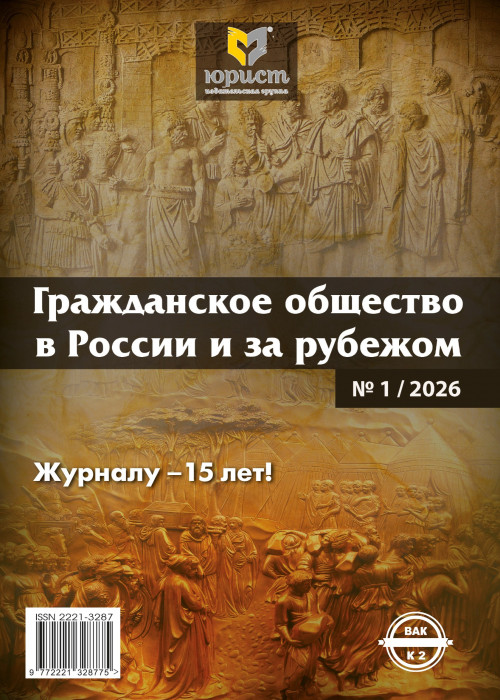
Published Date: 26.03.2026

Literary Jurisprudence: The Laws of the Jomsvikings as an Ideological Construct in the Context of Scandinavian Law

Annotation

The article conducts a comparative analysis of the cultural and social processes of early medieval Scandinavia and the Old Icelandic monument «The Saga of the Jomsvikings» from the 13th century, which narrates the story of the Jomsviking warrior society. The authors examine the code of rules of the Jomsvikings, whose presumed headquarters Jomsborg was located on the southern shore of the Baltic Sea, not as a historical document, but as a literary construct reflecting the ideological conceptions of the era. In their research, the authors propose that the military organization of the brotherhood’s warrior bands represented a hyperbolized version of the fundamental values of Old Icelandic society - honor, bravery, and loyalty - brought to absolute expression within the framework of a fictional militarized community. In contrast to decentralized civil law based on familykinship ties and aimed at resolving conflicts through compromise (including the institution of monetary compensation - wergild), the Jomsviking legal code was characterized by a centralized power structure and complete rejection of family ties in favor of warrior oaths. The authors conclude that this legal construct can be regarded as a literary instrument for exploring moral dilemmas and creating a dramatic image of the ideal warrior, anticipating the institutions of the later Middle Ages, such as knightly orders.


Library

1. Викинги. Между Скандинавией и Русью / авторы-составители: А.А. Фетисов, А.С. Щавелев. Москва : Вече, 2009. 336 с.
2. Гуревич А.Я. Избранные труды: Норвежское общество / А.Я. Гуревич. Санкт-Петербург : Центр гуманитарных инициатив, 2009. 470 с.
3. Давыдов А.И. Дренгрскарп и бусидо: «путь воина» на Западе и Востоке / А.И. Давыдов // Вестник Сибирского государственного университета путей сообщения. 2014. № 31. С. 11–14.
4. Николаева Т.В. История рукописей хроники Саксона Грамматика «Деяния данов» и ее первого издания 1514 г. / Т.В. Николаева // Вестник Санкт-Петербургского университета. История. 2009. № 2. С. 224–229.
5. Саенко А.В. Битва на Фирисвеллире как дуалистичный «краеугольный камень» шведской и датской историографии / А.В. Саенко // Гуманитарные и юридические исследования. 2021. № 1. С. 67–73.
6. Санников С.В. Развитие представлений о преступлениях против королевской власти в раннесредневековой германской правовой культуре: от частного правонарушения к государственной измене / Санников С.В. // Scholae. Философское антиковедение и классическая трад
7. Тумурова А.Т. К вопросу о происхождении древнегерманского вергельда / А.Т. Тумурова // Академический юридический журнал. 2024. Т. 25. № 3. С. 367–377. DOI: 10.17150/1819-0928.2024.25(3).367-377
8. Halldorsson, O. Jomsvikinga sage / O. Halldorsson // Medieval Scandinavia. An Encyclopedia / ed. by P. Pulsiano. New York ; London, 1993. P. 343–344.
9. Helle, K. Gulatinget og gulatingslova / K. Helle. Leikanger : Skald, 2001. 240 p.
10. Majumdar, A. Historical Background of Scandinavian Norse Mythology / A. Majumdar // 2. International Dicle Scientific Studies and Innovation Congress (Diyarbakır – Turkey, 28–29 May 2022) : congress book. Ankara : Iksad Publishing House, 2022. P. 580–589.
11. McGlynn, M.P. Orality in the Old Icelandic Grágás: Legal Formulae in the Assembly Procedures Section / M.P. McGlynn // Neophilologus. 2009. Vol. 93. P. 521–536. DOI: 10.1007/s11061-009-9147-y
12. Tulinius, T.H. The Matter of the North: the rise of literary fiction in thirteenth-century Iceland / T.H. Tulinius ; translated from French by Randi C. Eldevik. Odense : Odense University Press, 2002. 340 p.
13. Weibull, L. Kritiska undersökningar i Nordens historia omkring år 1000 / L. Weibull. Lund : C. W. K. Gleerup, 1911. 202 p.

Other articles